
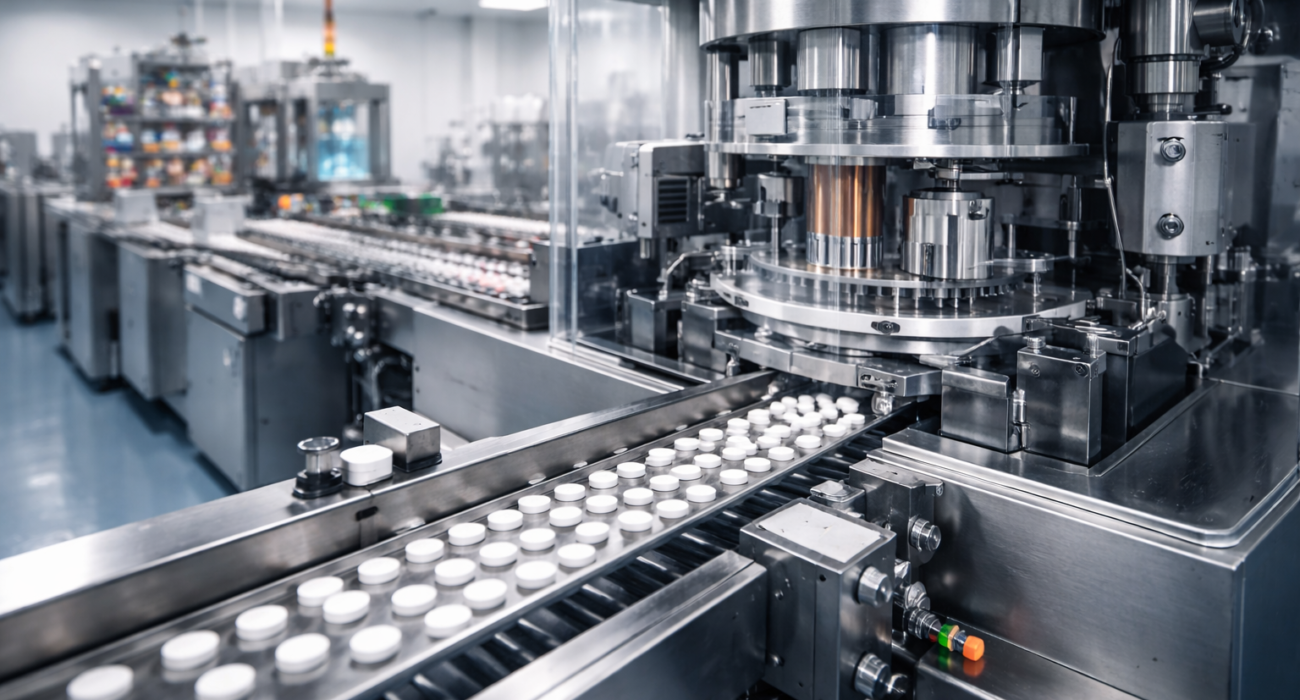
Pharma Production – What It Really Takes to Produce at Scale Without Losing Control
When someone searches pharma production, they’re usually not thinking about theory.
They’re thinking about output.
They’re thinking about supply.
They’re thinking about how to ensure products are produced consistently without batch failures, delays, or regulatory issues.
Pharma production is not just manufacturing.
It is the controlled execution of a system.
And that system has to work every single time.
Pharma Production Is More Than Just Making Batches
From outside, production looks simple:
Raw materials arrive.
Machines run.
Finished goods are packed.
But pharma production in India operates on layered control:
-
Raw material approval
-
Process parameter monitoring
-
Environmental control
-
In-process quality checks
-
Final release testing
-
Documentation
If even one layer weakens, production quality suffers.
How Pharma Production Is Structured in Practice
Before any production line starts, planning happens.
A serious manufacturer first understands:
-
Which dosage forms are required
-
Expected monthly demand
-
Market type (retail, hospital, export)
-
Growth projections
Production planning decides:
-
Procurement timelines
-
Machinery allocation
-
Manpower scheduling
-
QC workload
When production is reactive instead of planned, problems appear quickly.
Raw Material Discipline Drives Stable Production
Many production issues begin with inconsistent raw materials.
Structured pharma production systems:
-
Work with approved suppliers
-
Test raw materials before use
-
Maintain storage control
-
Keep traceability documentation
Emergency sourcing or vendor changes often create instability.
Once product reaches the market, correcting that instability becomes expensive.
Process Control – Where Production Quality Is Built
Each dosage form behaves differently.
For tablets:
-
Granulation consistency matters
-
Compression pressure matters
-
Coating uniformity matters
For capsules:
-
Fill weight precision matters
-
Shell quality matters
For syrups:
-
Mixing sequence matters
-
Temperature control matters
-
Preservative balance matters
In strong pharma production setups, these parameters are controlled and documented.
Not guessed.
Quality Control Runs Alongside Production
In pharma production, QC is not a final step.
It is continuous.
This includes:
-
In-process sampling
-
Finished goods testing
-
Stability monitoring
-
Microbial testing where required
-
Batch record documentation
When QC does not scale with production, complaint frequency increases as volume grows.
That’s when brands begin losing trust.
Compliance – The Shield That Protects Production
Pharma production in India must operate within regulatory frameworks.
Manufacturers must maintain:
-
Valid drug manufacturing licenses
-
GMP compliance
-
Proper documentation
-
Inspection readiness
Compliance is not just about passing audits.
It protects:
-
Institutional contracts
-
Export approvals
-
Brand reputation
Without compliance discipline, scaling production becomes risky.
Scalability – The Real Test of Pharma Production Strength
Anyone can handle small orders.
The real question is:
-
Can production increase without delays?
-
Can QC maintain pace with volume?
-
Can raw material supply remain stable?
If scaling exposes weaknesses, the production system was never strong to begin with.
This is where many brands face difficulty when sales increase.
Why Growing Brands Re-Evaluate Their Production Partners
Many startups begin with smaller, flexible units.
As demand increases, they experience:
-
Batch variation
-
Delayed deliveries
-
Production miscommunication
-
Stress during peak season
At that point, they start looking for structured production partners.
Stability becomes more important than convenience.
Where Impelled Remedies Supports Structured
Impelled Remedies operates from Ambala, Haryana, focusing on structured third-party and contract pharma production.
The approach is built around:
-
Controlled process management
-
Strong QC systems
-
Compliance-first operations
-
Planned scalability
For brands aiming to grow steadily rather than fluctuate, structured production support becomes essential.
What To Evaluate Before Choosing a Pharma Production Partner
Instead of focusing only on cost or location, evaluate:
-
How raw materials are approved
-
How in-process monitoring works
-
How deviations are handled
-
How capacity planning is managed
-
How transparent communication is
Production reliability builds long-term brand stability.
FAQs
Is pharma production different from pharma manufacturing?
Production refers to the operational execution within manufacturing systems.
Can third-party manufacturers handle large-scale production?
Yes, if infrastructure and process systems are strong.
Does scaling always increase risk?
Only if QC and process control do not scale accordingly.
Is compliance necessary for domestic brands?
Yes. It protects long-term operations and growth.
CTA
👉 Talk to Our Manufacturing Expert
👉 Request Manufacturing Quote