
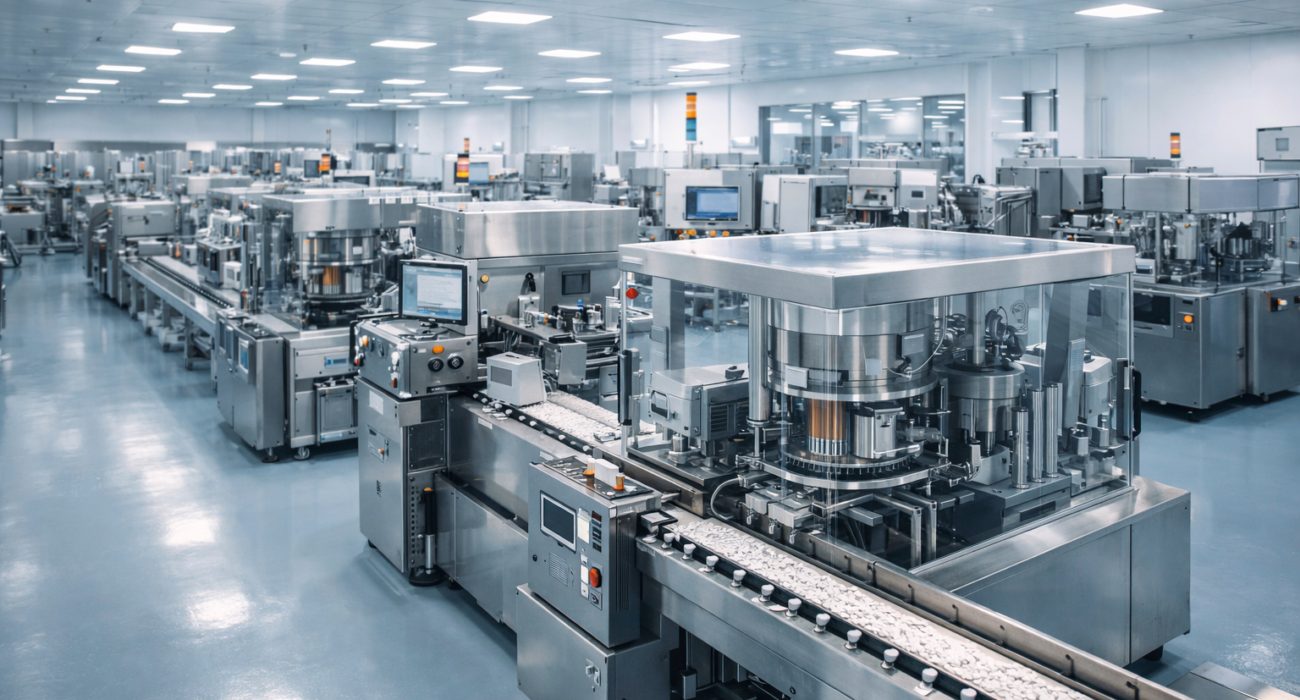
Pharmaceutical Production – What It Really Means for Brands Planning Long-Term Growth
When someone searches pharmaceutical production, they’re not usually looking for definitions.
They’re thinking about scale.
They’re thinking about supply reliability.
They’re thinking about how to manufacture products consistently without quality slipping after the first few batches.
Pharmaceutical production is not just about making tablets or syrups. It’s about building a system that works under pressure — when orders increase, when markets expand, when audits happen.
That’s where many growing pharma brands struggle.
Pharmaceutical Production Is About Systems, Not Just Machines
From outside, production looks simple:
Raw material goes in.
Finished product comes out.
In reality, pharmaceutical production involves:
-
Controlled sourcing
-
Structured process parameters
-
In-process monitoring
-
Documentation discipline
-
Quality verification
-
Batch traceability
Without these systems, production becomes unpredictable.
And unpredictable production damages brand trust quickly.
How Pharmaceutical Production Actually Works in Practice
Let’s break this down in simple terms.
Before production even starts, there is planning:
-
Which dosage forms are being produced?
-
What monthly volumes are expected?
-
Is the focus retail, hospital, or export?
-
What is the expected growth rate?
Production planning determines:
-
Raw material procurement cycles
-
Machinery scheduling
-
Manpower allocation
-
Quality control workload
When planning is weak, production becomes reactive instead of controlled.
Raw Material Control – The Starting Point
Many product failures begin with raw material inconsistency.
Serious pharmaceutical production setups:
-
Work with approved vendors
-
Test incoming raw materials
-
Maintain proper storage conditions
-
Keep documentation for traceability
Skipping this stage to save cost creates long-term risk.
Once the finished product reaches the market, the damage is already done.
Process Control – Where Quality Is Built
Whether producing tablets, capsules, syrups, or injections, every dosage form requires controlled parameters.
For tablets:
-
Granulation moisture must be controlled
-
Compression force must be consistent
-
Coating thickness must be uniform
For syrups:
-
Mixing sequence matters
-
Temperature stability matters
-
Preservative balance matters
Pharmaceutical production becomes reliable only when these parameters are documented and repeated consistently.
Quality Control Grows With Production Volume
As production increases, so does risk.
Strong pharmaceutical production systems include:
-
In-process quality checks
-
Finished goods testing
-
Stability monitoring
-
Microbial testing (where applicable)
-
Batch manufacturing records
QC is not a final checkpoint.
It runs parallel to production.
If QC does not scale alongside volume, product complaints increase over time.
Compliance – The Shield Behind Production
In India, pharmaceutical production must align with:
-
Drug manufacturing licenses
-
GMP standards
-
Documentation requirements
-
Regulatory inspections
Compliance is not optional.
It protects:
-
Brand credibility
-
Institutional supply
-
Export opportunities
-
Long-term sustainability
Ignoring compliance might save time today but creates serious risk tomorrow.
Scalability – The Real Test of Production Strength
Many manufacturers can handle small volumes.
The real question is:
-
Can production double without chaos?
-
Can raw material supply be secured during high demand?
-
Can quality remain stable under pressure?
If production systems are weak, scaling exposes those weaknesses quickly.
That’s why brands must evaluate production capacity early.
Why Many Growing Brands Shift to Structured Production Partners
Startups often begin with flexible small manufacturers.
As orders increase, they experience:
-
Inconsistent batches
-
Delayed deliveries
-
Production stress
-
Communication breakdown
At that point, they look for a more structured production partner.
Not necessarily larger — but more disciplined.
Where Impelled Remedies Fits Into Pharmaceutical Production
Impelled Remedies operates from Ambala, Haryana, focusing on structured third-party and contract pharmaceutical production.
The emphasis remains on:
-
Controlled process management
-
Strong QC systems
-
Compliance-first operations
-
Realistic scalability planning
For brands planning steady growth, production stability matters more than location convenience.
What To Evaluate Before Choosing a Pharmaceutical Production Partner
Instead of focusing only on cost, evaluate:
-
How raw materials are controlled
-
How QC integrates into production
-
Whether documentation is structured
-
How capacity planning is managed
-
Whether communication is transparent
Production reliability builds brand trust.
FAQs
Is pharmaceutical production the same as manufacturing?
Production focuses on controlled output systems within manufacturing.
Can small brands access structured production?
Yes, through disciplined third-party partnerships.
Does higher production volume increase risk?
Yes, if QC and process control do not scale accordingly.
Is compliance mandatory at all production levels?
Yes. It protects long-term operations.
CTA
👉 Talk to Our Manufacturing Expert
👉 Request Manufacturing Quote